
Over the years, I have attended and completed many leadership training programs. Some good, some not so good. “Good”, however, is subjective. To me, “good’ is when I have learned a lot, I am energised by the experience and I am able to use the ideas right away. “Good” has never been about the certificate gained, or the status of the awarding institution.
“Good” has involved collaborating with and learning from other experienced educators. Often these people are a lot more experienced than me and I am intrigued by their accounts of leading their school and moving it forward.
Formal Education: Leadership Training Programs
My Master’s Degree was good. I enrolled with Endicott College, in Beverly, Massachusetts. The course covered many topics from the world of leadership and they were all set within the context of International Education. The Professors are all experienced School Leaders who were able to share both leadership theory and their personal experience. These courses were fun and useful. They are designed to be practical rather than overly academic. This served me well and provided a solid foundation upon which to build my leadership journey.
My Certificate in International School Leadership from The Principal Training Center was good. In fact, it was excellent. A series of interactive workshops again, led by seasoned School Leaders provided me with an excellent professional network as a reward for my efforts. I am still in contact with many leaders from this experience today.
Most recently, due to COVID-19, I pursued leadership development online. The Harvard Graduate School of Education was recommended to me, and I enrolled upon The Certificate of School Management and Leadership. This was also, good. There was a network of eager and experienced professionals ready to discuss hot topics from the world of education. The course contains real-life case studies and research from Harvard University and required you to reflect upon your current practice at every turn.
Informal Education: Reading To Lead
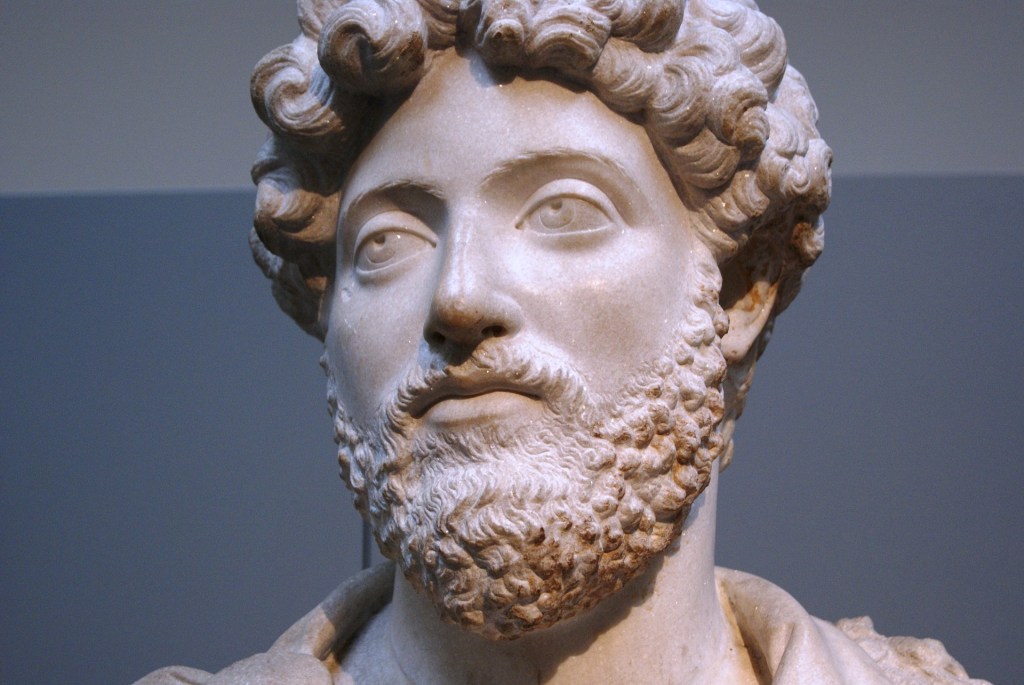
As is the case with most educators, I am a learner and a reader. It is not surprising then that many of my most personal leadership lessons came from books. I have other posts on lessons learned from specific titles and so I will not review these here. I would like to focus on the leadership lessons that I have learned from The Stoics.
I stumbled across Stoic Philosophy after discovering Ryan Holiday online. Intrigued by this approach to life I journeyed and began reading the books that Ryan considers the core Stoic texts.
The Core Stoic Texts:
- Meditations by Marcus Aurelius
- Letters from a Stoic by Seneca
- Discourses and Selected Writings by Epictetus
Since then, I have read their other works and regularly review these books for their guidance and wisdom. When times are challenging and the going gets tough, these books keep me grounded and focused on what is important. I have also learned that Barrack Obama and Abraham Lincoln also kept copies of Meditations to hand for inspiration.
Ryan Holiday’s own work also provides guidance in a much more accessible format. Ryan’s book ‘Ego Is The Enemy’ is where I began my Stoic journey and one of my personal favourites. All of his books are both entertaining and insightful in their own way.
Ryan Holiday’s Stoic Series:
- The Obstacle Is The Way
- Ego Is The Enemy
- Stillness Is The Key
- Courage Is Calling
I recommend Ego Is The Enemy as a starting point for a few reasons. The main one is that as experienced educators we can often feel that we are entitled to the next promotion. Ryan reminds us that all achievements including promotion are earned through hard work.
This brings us to the first lesson…
Lesson 1: Study
“Leisure without study is death- a tomb for the living person.”
Seneca. Moral Letters, 82.4
The most inspirational and effective school leaders I have worked with, or have the pleasure to know, are both readers and learners. They did not stop trying to hone their craft upon recognition of a title. If anything, the study just got harder and more important. As a leader, it is essential that your knowledge of education and schooling remains current, that you are reading around leadership and that you are attending professional development. The process of learning in leadership is invaluable. You can never know everything. You can always improve.
A daily reading and reflection practice has proven critical to my leadership development as well as encouraging me to reflect upon my day and consider what I may have done better. Reading may not be leading, however, the knowledge gained from reading the work of experienced leaders has allowed me to apply strategies to my very own specific situation. In many ways, the book chooses you as we are drawn to content most relevant to our current situation. The lessons you take from it will depend on how open you are to learning and improving.
Lesson 2: It Isn’t About You
“That which isn’t good for the hive, isn’t good for the bee.”
Marcus Aurelius. Meditations, 6.54
Many leaders enter a new role with their own personal agenda. It pays to remember that your agenda is doing what is best for learning within the context of your current school. If all actions benefit the school community then it is of benefit to you.
Implementing a new initiative because it worked well at your previous school may look good on your CV, however, it will not necessarily benefit the school. Consider how will it survive long after you are gone. Put your students, teachers and parents first and you will be leading well. If necessary nominate a critical friend to confide in and keep you in check.
Lesson 3: Not Everyone Will Like or Agree With You, And That’s OK!
“The Universe is change. Life is opinion.”
Marcus Aurelius. Meditations, 4.3.4b
As a leader, you will be required to do things that people may not like for the good of the school. Not everyone is privileged with possessing the big picture, and so you inevitably run into opposition or become the subject of gossip and rumour. This is OK. As long as you remain true to working in the best interests of the school, let them talk.
Lesson 4: Things Won’t Always Go As Planned
“Don’t seek for everything to happen as you wish it would, but rather wish that everything happens as it actually will- then your life will be serene.
Epictetus. Enchiridion, 8
This lesson has never been more relevant to me than it is now. The best-laid plans often go wrong and we are often judged by how we respond to these shifts in fortune. Keep a level head and focus on the bigger picture. The road twists and turns but you will get there in the end.
As a first-year leader, you will often make mistakes. This does not matter. Owning them and responding in the best interests of your students and teachers is what counts. In a culture of psychological safety, you will be free to take risks and learn from them. If a culture of psychological safety does not already exist, then it is part of your duty as a leader to help build it.
Lesson 5: Set The Standards And Use Them
“When the standards have been set, things are tested and weighed. And the work of philosophy is just this, to examine and uphold the standards, but the work of a truly good person is in using those standards when they know them.”
Epictetus. Discourses, 2.11.223-25
As a new leader, you will be tried and tested. Set the standard for yourself and others. A school with high standards will experience better behaviour, gain better grades and have a happier community. When everyone is aware of the expectation and how to meet them you can rely less on policy. Referring to policy can sometimes seem very punitive, but adhering to high standards relies more on character. Having a clear policy is essential, however, only use it when you really need to.
There are many lessons within every page of the Stoic texts. Reading selected writings daily and reflecting on my practice as a leader has taught me more about myself than any formal leadership training. I highly recommend this daily meditation as one approach to improving your own leadership practice.
Journeying
Lives Of The Stoics by Ryan Holiday


Leave a Reply