

There’s a strong push in education right now towards efficiency. Consistent routines, clear explanations, carefully sequenced lessons, approaches grounded in evidence. Much of that is genuinely good, and I’d rather work in a school that takes it seriously than one that doesn’t.
But students rarely remember lesson plans. They remember teachers. The ones who made a subject come alive, who made them laugh, who seemed to genuinely enjoy what they were teaching. So does inspiring students mean you have to become a robot to be efficient? I don’t think so. But I do think personality comes with responsibilities.
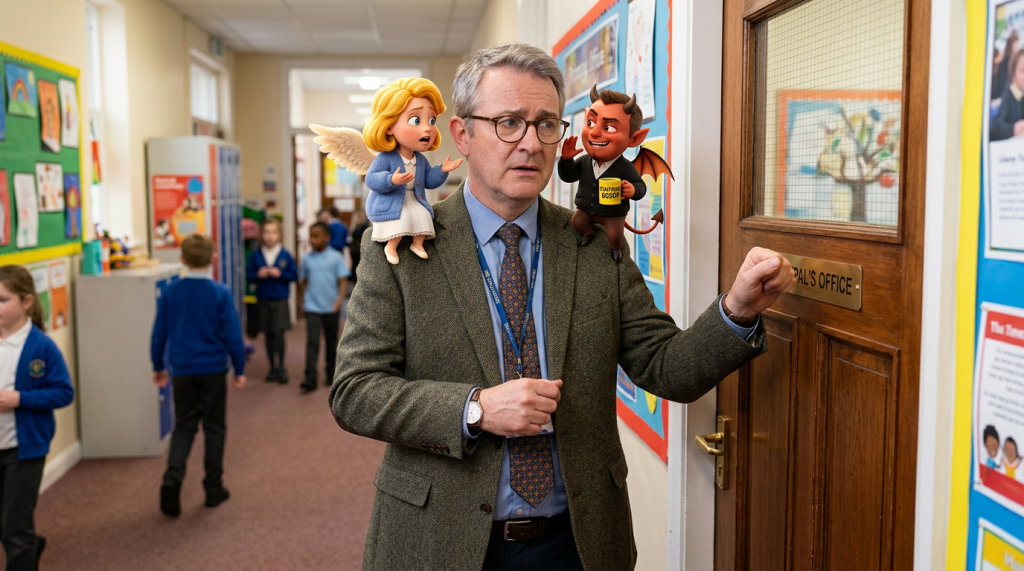
Humour is the clearest example. Used well, it builds relationships, lowers anxiety and makes ideas stick. But there are two lines worth watching. The first is between humour and distraction: when the joke becomes the lesson, or the class learns that the fastest way to derail things is to get the teacher going. The second is between humour and offence: sarcasm, teasing, or a cultural reference that lands very differently for someone else.
Where those lines sit depends on context. Working across several countries has taught me that what reads as warm and playful in one culture can read as disrespectful or confusing in another. Sarcasm in particular travels badly, especially for students learning in a second or third language. Expectations about formality, hierarchy and how a teacher should behave vary enormously between schools and between countries.
Adam Grant’s new book Vibe has a helpful idea here. He describes “if-then signatures”: the way people express different traits in different situations. Personality isn’t a fixed performance we give everywhere. The best teachers I’ve worked with don’t switch their personality off. They adjust the dial for the room they’re in.
That also means being honest about fit. Not every school suits every teacher, and that isn’t a judgement on either. A teacher who thrives in a lively, informal environment may feel muted in a more formal, high-pressure one, and someone who flourishes in a structured, academic setting may struggle somewhere looser. Students differ too. The same style can energise one group and unsettle another.
Recruitment would be better for everyone if schools talked about this more openly. Fit isn’t a soft extra. It shapes whether a teacher’s strengths get to show at all.
The goal isn’t less personality. It’s personality in service of the learning.




Leave a Reply