
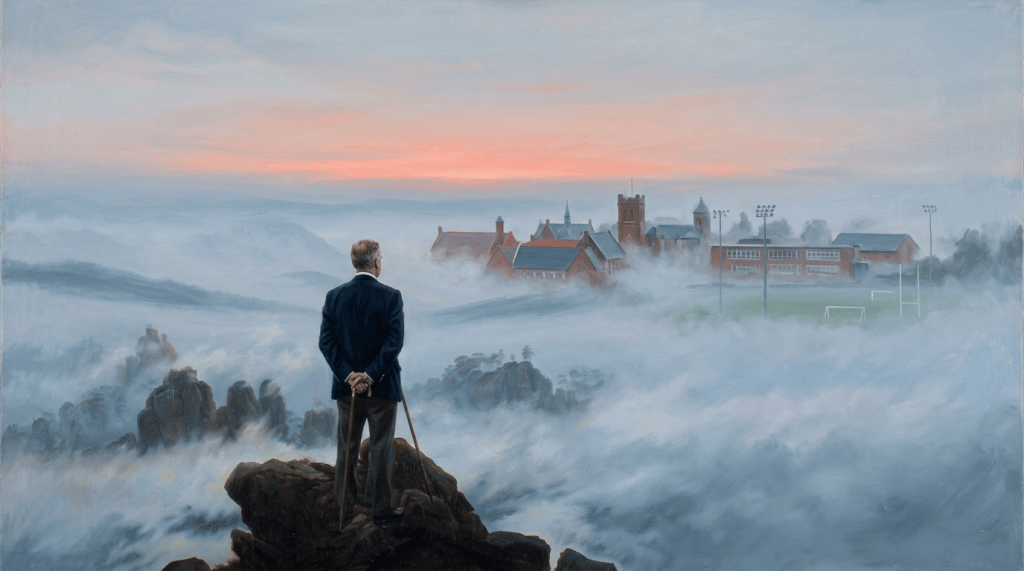
I’ve been back in the classroom full time for over a year now, and one thing has surprised me more than anything else. It isn’t the marking, or the pace, or how much energy a full timetable takes. It’s that I can’t stop seeing the whole school.
Years in senior leadership leave a mark. You learn to read a timetable for what it says about priorities. You notice which initiatives have quietly died and which are only alive because someone still has to report on them. You sit in a department meeting and can already see how a decision will land with parents, with the board, and with the teachers who weren’t in the room. That way of seeing doesn’t switch off just because your job title has changed.
Most of the time, it’s a blessing. I understand why things happen. When a deadline appears out of nowhere, I can usually guess the meeting it came from. When a policy feels clumsy, I know that somewhere behind it is a leader balancing five competing pressures, and that the version we received was probably the least bad option. That makes me more patient than I might otherwise be. I can explain the “why” to colleagues who only see the “what”.
It helps in the classroom too. I plan with the end in mind because I’ve seen what happens at the other end: the results analysis, the university references, the conversations with families when things haven’t gone well. I know which small things matter later.
But it is also a curse, and I’d be lying if I pretended otherwise.
Seeing the big picture without the authority to change it is a particular kind of frustration. You notice the gap between what a school says and what it does. You can spot the initiative that will exhaust people for very little return. You can predict which conversation is being avoided. And then you go and teach your next lesson, because that’s your job now.
There’s a temptation in that position to become the person in the staffroom who has seen it all before. Most of us have worked with that person. Sometimes they’re right about almost everything, and almost nobody listens, because being right and being useful are not the same thing. Cynicism is the easiest place to land when you can see more than you can influence.
So I’ve been trying to work out what to do with the view.
Some of it I keep to myself. Not every observation needs sharing, and a former senior leader commenting on everything is exhausting for everyone, including the people currently doing the job. They have enough noise.
Some of it I offer, carefully, to the right person. A quiet question is usually more useful than a public critique. “Have we thought about how this lands with Grade 12?” does more than a long email about everything that’s wrong.
And some of it I use to lead where I actually stand: my classes, my department, and the colleagues who ask for help with an application or a tricky conversation. Influence without a title is slower, but it is real.
I’ve also had to accept that the big picture I see is not the whole picture. I’m not in the leadership meetings anymore. There are constraints, conversations and pressures I simply don’t know about. The view from the classroom is wide, but it isn’t complete, and I’d do well to remember that before deciding I know better.
Stepping back gave me perspective. Staying humble about the limits of that perspective is the harder part.


Leave a Reply